Tuesday, January 22, 2008

BEN - January 22, 2008 #298

1) Court of Civil Appeals Upholds Mining Permit Ruling

2) City of Birmingham Votes To Withdraw From Stormwater Authority

3) Freshwater Land Trust Secures New Conservation Easements

4) Land Trust of Huntsville and North Alabama Receives 19 Acre Donation

5) BEN Notes: Alabama Coastal Foundation Job Opening, Cahaba River Society's 20th Anniversary Meeting,  Homewood's Annual Salamander Festival, ADEM Water Conference, EEAA Conference, Legacy "State of the Environment Conference, Alabama Rivers Alliance Watershed Leadership Conference, Alabama Hiking Trail Society Conference,  Green Coast 2008,  Correction:  Tree Cities


**********************************


Check out  Thicket   - a new Alabama culture, political and entertainment magazine. 


***********************************


BEN Readers: In lieu of a subscription to BEN - we ask readers to consider making a donation to one of BEN's chosen charities.  Please check them out at http://www.BamaNews.com/donation.html  and make a contribution today!


***********************************


1. Court of Civil Appeals Upholds Mining Permit Ruling - Last month, according to the Associated Press, the Alabama Court of Civil Appeals upheld an April 2006 ruling by Montgomery County Circuit Judge Truman Hobbs, Jr., had struck down the Alabama Environmental Management Commission's decision approving a pollutant discharge permit granted to Tuscaloosa Resources by ADEM.


According to the AP report, the issue, in part was whether the North Fork of Hurricane Creek in eastern Tuscaloosa County already failed state water quality standards and was off-limits to further degradation by new sources of pollution.


An administrative law judge had recommended that the commission, which oversees ADEM, overrule ADEM's decision to issue the permit, but the Commission in February 2004 voted 4 to 1 in support of ADEM's action.


Two environmental groups, the Friends of Hurricane Creek and the Alabama Rivers Alliance sued ADEM as a result of the agency's decision.


In the appeals court ruling, the court said it was compelled to agree with Hobbs' determination that the AEMC's finding was "clearly erroneous."


2. City of Birmingham Votes To Withdraw From Stormwater Authority - Earlier this month, the city of Birmingham voted to withdraw from the Storm Water Management Authority (SWMA), an agency that monitors water pollution in Jefferson County.


SWMA fulfills federal requirements for local governments to monitor and control water pollution problems, including silt and mud from construction sites.  The agency, which includes 22 participating Jefferson County municipalities, has been described as a much needed "model of regional cooperation."  Losing Birmingham's financial support will cost SWMA about $775,000 a year or about 40% of SWMA's budget.  


The Birmingham City Council made the decision after representatives from the Malcolm Pirnie environmental engineering firm presented the case for withdrawing, saying the city could save about $100,000 a year.


Birmingham still has several steps it must take before it can be completely severed from SWMA by October 1st.


3. Freshwater Land Trust Secures New Conservation Easements - Before Christmas, the Freshwater Land Trust announced a wonderful gift.  On December 17th, longtime conservationists Britt and Judy Butler signed and donated a 32 acre conservation easement of their land along the Cahaba River to the Land Trust.  The gift was made all the more special, because it adjoins another conservation easement owned by Bob and Ann Tate, another well known couple with the environmental community.  In total, 45 acres along the Cahaba River will be permanently preserved.


To date, the Birmingham based Freshwater Land Trust has conserved close to 5,000 acres protecting over 90 streamside miles in the Greater Birmingham Region.  For more information about the Land Trust and conservation easements, contact Wendy Jackson at 205-226-7900.


4. Land Trust of Huntsville and North Alabama Receives 19 Acre Donation - Here is another good news story out of Madison County.  From the Huntsville Times, Huntsville natives Jean Berry and her daughter Lynne Berry have donated 19 acres in eastern Madison County to the Land Trust of Huntsville and North Alabama.  The pristine property is located on the west side of Berry Mountain and adjoins 103 acres owned by the Land Trust.  A special place, the Berry family settled in the area in the late 1800's.


The Land Trust of Huntsville and North Alabama celebrated in 2007 their 20th Anniversary.  Almost 5,000 acres in North Alabama have been preserved by the Land Trust, along with 33 miles of public trails and three major mountain preserves.  To learn more about the Land Trust visit  - http://www.landtrust-hsv.org/


5. BEN Notes: Alabama Coastal Foundation Job Opening, Cahaba River Society's 20th Anniversary Meeting,  Homewood's Annual Salamander Festival, ADEM Water Conference, EEAA Conference, Legacy "State of the Environment" Conference, Alabama Rivers Alliance Watershed Leadership Conference, Alabama Hiking Trail Society Conference,  Green Coast 2008, Correction:  Tree Cities


Alabama Coastal Foundation Job Opening - The Alabama Coastal Foundation is seeking a full-time Programs Director.  Responsibilities include: coordinating educational and restoration projects; developing volunteer opportunities; conducting research and grant proposal writing.  Interested candidates should submit cover letter and resume to: Bethany Kraft: bkraft@joinacf.org  -  Learn more about the Alabama Coastal Foundation at http://www.joinacf.org


Cahaba River Society's 20th Anniversary Meeting - The Cahaba River Society will be celebrating its 20th year at their annual meeting, to be held on Thursday, January 24th, 5:30 at the Birmingham Botanical Gardens.  For details, visit http://www.cahabariversociety.org .


Salamander Festival - This is a great way to spend a Saturday!  Join members of the Friends of Shades Creek at the Annual Salamander Festival in Homewood, this Saturday, January 26, 3:00-5:30 at the Homewood Central Park.  For more information, call 879-6866.


ADEM Water Conference - ADEM will be holding their 19th Annual Nonpoint Source Conference on January 30th in Montgomery, Alabama at the Embassy Suites Hotel and Conference Center.  To register, go to http://www.adem.alabama.gov


EEAA Conference - The 2008 Environmental Education Association of Alabama Conference will be held on January 31-February 2 at the Blue Lake United Methodist Camp near Andalusia.  To register, visit http://www.aces.edu/eeaa/main.html


Legacy "State of the Environment" Conference - Legacy will be holding their 2008 Environmental Partnership Conference on February 27-29 at the Perdido Beach Resort in Orange Beach. This year's topic is the "State of the Environment." To register visit - http://www.legacyenved.org  - The registration deadline is Feb.1st.


Watershed Leadership Conference - The Alabama Rivers Alliance will be holding their annual Watershed Leadership Conference  on March 14-16, in Fairhope, Alabama at Camp Beckwith on Week's Bay.  For conference details visit http://www.alabamarivers.org  .


Alabama Hiking Trail Society Conference - The Alabama Hiking Trail Society will be celebrating the linking of the Pinhoti Trail with the Appalachian Trail at their 2008 Conference to be held March 14-16 at Cheaha State Park.  For details, visit  http://www.hikealabama.org/


Green Coast 2008 - Save the Date - The GreenCoast 2008 Conference & Expo will be held at Mobile, Alabama's Arthur Outlaw Convention Center on April 9-10.  Register today at http://greencoast2008.blogspot.com/


Correction:  Tree Cities -  In the December 17th edition of Bama Environmental News, we reported that the city of Montgomery is positioned to become the 5th city in Alabama to earn a "Tree City USA 'designation from the National Arbor Day Foundation.  That statement was incorrect.  There are actually, nearly 80 Tree Cities in Alabama (the list can be found here http://www.arborday.org/programs/treecity/map.cfm). 

Thursday, January 10, 2008

Aldo Leopold - From BEN Passages


Just finished reading Aldo Leopold's "The River of the Mother of God and Other Essays.

Here are some of my favorite passages:


"For twenty centuries and longer, all civilized thought has rested upon one basic premise: that it is the destiny of man to exploit and enslave the earth.


The biblical injunction to "go forth and multiply" is merely one of many dogmas which imply this attitude of philosophical imperialism.


During the past few decades, however, a new science called ecology has been unobtrusively spreading a film of doubt over this heretofore unchallenged "world view."  Ecology tells us that no animal -not even man- can be regarded as independent of his environment.  Plants, animals, men, and soil are a community of interdependent parts, an organism.  No organism can survive the decadence of a member....  It may flatter our ego to be called the sons of man, but it would be nearer the truth to call ourselves the brothers of our fields and forests." -    Aldo Leopold, Dedication Ceremony of the University of Wisconsin Arboretum - 1934


***********************************


"Conservation means harmony between men and land.


When land does well for its owner, and the owner does well by his land; when both end up better by reason of their partnership, we have conservation.  When one or the other grows poorer, we do not."  - Aldo Leopold, The Farmer as a Conservationist - 1939


**********************************


"Everyone ought to be dissatisfied with the slow spread of conservation to the land.  Our "progress" still consists largely of letterhead pieties and convention oratory.  The only progress that counts is that on the actual landscape of the back forty, and here we are still slipping two steps backward for each forward stride.


The usual answer to this dilemma is "more conservation education."  My answer is yes by all means, but are we sure that only the volume of educational effort needs stepping up?  Is something lacking in its content as well?  I think there is, and I will attempt to define it.


The basic defect is this:  we have not asked the citizen to assume any real responsibility.  We have told him that if he will vote right, obey the law, join some organizations, and practice what conservation is profitable on his own land, that everything will be lovely; the government will do the rest.


This formula is too easy to accomplish anything worthwhile.  It calls for no efforts or sacrifice; no change in our philosophy of values.  It entails little that any decent and intelligent person would not have done, of his own accord, under the late but not lamented Babbitian code.


No important change in human conduct is ever accomplished without an internal change in our intellectual emphases, our loyalties, our affections, and our convictions.  The proof that conservation has not yet touched these foundations of conduct lies in the fact that philosophy, ethics, and religion have not yet heard of it.  I need a short name for what is lacking; I call it the ecological conscience.  Ecology is the science of communities, and the ecological conscience is therefore the ethics of community life."  - Aldo Leopold, The Ecological Conscience - 1947

Monday, December 17, 2007

George Folkerts


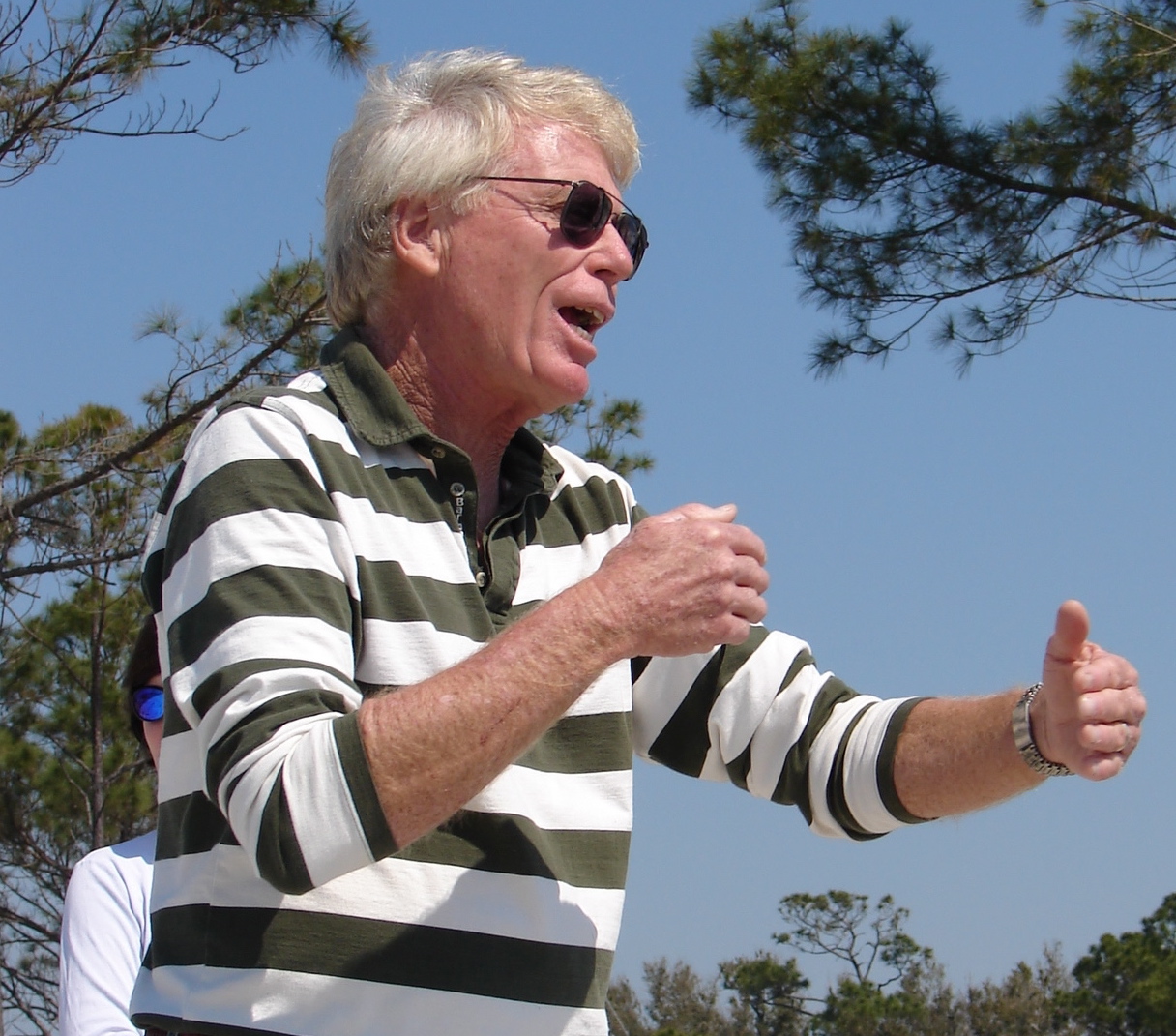
It is with great sadness to note the passing of Dr. George Folkerts, a longtime biology professor at Auburn University.  George's passion for Alabama and its biodiversity was something very special and extraordinary.  He truly touched people with his words and witnessed to audiences the wonders of Alabama and the need to save it.  For years, I saw him give presentations to groups, from the Birmingham Audubon Society to the Alabama Conservancy.  After each presentation he gave - I saw before me - "lives changed" by his love and devotion to the natural world.  

He was that powerful.


He was that passionate about life and the earth.


And he shared it.  What an incredible gift to all of us.


Here is a slideshow of George on his website.  http://www.auburn.edu/~folkegw/zoopage.html

Saturday, December 15, 2007

Take 5 with BEN - Dr. George Crozier


Below is the the first installment of "Take 5 with BEN", a question and answer series with Alabama's environmental decisionmakers.  Our first interview is with Dr. George Crozier, longtime director of the Dauphin Island Sea Lab.


Best Wishes,


Pat Byington

BEN Publisher


*************************************


"Take 5 with BEN" - Dr. George Crozier


At the end of this month, one of Alabama's most prominent and renown conservationist, Dr. George F. Crozier, Executive Director of the Dauphin Island Sea Lab, will be retiring.  Dr. Crozier’s involvement with coastal Alabama began in 1968 as Assistant Director of the University of Alabama’s Marine Science Program.  In 1971, the Marine Environmental Sciences Consortium (MESC) was enacted by the Alabama Legislature as a vehicle to promote marine science in the state and to minimize duplication of programs in its consortium universities.  In 1972, the MESC moved to the former Air Force Radar Base on Dauphin Island; Crozier became its Chief Scientist, finally becoming Executive Director in 1977.


In the 30 years as Director, Crozier has overseen the expansion of the former military base into a thriving and internationally renowned marine science laboratory. Prominent research scientists engage in interdisciplinary fieldwork, ranging from paleoecology to biogeochemistry, in field sites from the ice shelf of Antarctica to the salt marshes of Dauphin Island.  


Educational programs reach kindergarten to Ph.D. students, and in the summer, the Sea Lab becomes the larges residential marine education program in the country, with college classes, workshops for educators, programs for high schools students, and much more.


The Estuarium, the Sea Lab’s public aquarium, is one of the Mobile area’s most visited tourist attractions.  Its focus on the Mobile Bay estuary system makes it a unique educational and enriching experience for all ages.


The Coastal Policy Center hosts the Mobile Bay National Estuary Program and advises developers, governmental agencies and other interested parties on the principles of sustainable development and best management practices.  As Director of the Sea Lab, Crozier was a member of the Board of Forever Wild, which purchases and preserves in perpetuity valuable natural resources in the state of Alabama.


Crozier has earned a flotilla of accolades in his 30 years as Director, most notably in 1999 as NOAA’s Coastal Steward of the Year and in 2000 as the recipient of the Alabama Academy of Science’s Wright A. Gardner Award.  


*********************************


How much has the Mobile/Coastal Area changed over the past 40 years?


I had the good fortune to come to Alabama late in 1968 as the positive impacts of a variety of environmental legislative actions of the early ‘60s began to be evident. The first summer I was here, a professor from the U. of Alabama bringing a class to our facility at Pt. aux Pins ran to the telephone to report a large fish kill that he had observed on the way down from Tuscaloosa.


I missed most of “the bad old days” when untreated paper mill waste was legally discharged into the Mobile River and Bay. The stories were pretty horrific but data was sketchy at best and the Alabama Water Improvement Commission was a creation of the federal Clean Water Act and already resented and resisted by the industrial community but was embraced by municipalities that benefited from the construction of wastewater treatment plants providing secondary treatment (and lots of jobs) to domestic wastewater. Alabama, as a state, provided wider municipal secondary treatment than Boston, MA, the intellectual seat of power in this country – and that may still be true at this moment.


So I have witnessed; and through DISL, documented to some degree, the partial restoration of water quality in Mobile Bay. Unfortunately, my sense of the last decade is that the rate of improvement may have diminished as a result of expanding non-point sources of contamination.


You have accomplished much at the Dauphin Island Sea Lab. Are there any particular accomplishments you are most proud of? 


Survival! - of State budget cuts and hurricane impacts. Those are tangible and significant but there are also some unquantifiable achievements. The Laboratory has gradually established a data base on a variety of parameters that can be used as surrogates to approximate the “health” of the Bay. The first and only 24/7 environmental monitoring system has been established an funded through the National estuary program and the Coastal section of the Dept. of Conservation and Natural Resources.


Obviously, the growth and development of the K-12 programs at the Laboratory is a most significant accomplishment. This has genuinely become one of the premier programs in the nation and the state as a whole should be quite proud of that. The Discovery Hall program now coordinates all marine education for the Gulf of Mexico through the Gulf Alliance.


What are some of the biggest challenges facing Alabama's coastal areas? 


Poor land use planning throughout the State and watershed is a truly critical challenge. There is no real commitment to management of the land and the history of mismanagement is rooted in the deeply held property rights attitudes of the last century. We continue to convert green space into habitat for cars and low density human population, all contributing to the loss of ecological services normally contributing to and constituting healthy ecosystems.


There is a growing concern for the inputs from atmospheric sources and the ongoing sprawl in both coastal counties has the potential to wipe out the gains of the Clean Water Act and water quality progress of the past 40 years!


Are there any specific environmental initiatives that you believe are needed in the state of Alabama? 


There needs to be a movement toward ecosystem/watershed – based management. Within that context I think that the principles of so-called smart growth must be pursued. The demographics are beginning to shift back toward the cities and if transportation oriented development is fostered, we may be in a position to ameliorate the growing energy crisis while restoring an improving trend line of water quality and associated coastal living resources


What are your future plans?


I have a number of familial obligations but I have also signed on with the Bellwether Group, a public relations and environmental consulting firm in Mobile. My wife has made it clear that Wal-Mart is in my future if I don’t supplement my retirement income.


I will ask the new Executive Director to allow me to continue to try to develop the coastal policy initiative that I have been pursuing for the last several years through the Lab. The primary academic thrust is a development of a coastal design center emphasizing landscape ecology, landscape architecture, and coastal engineering and development. 


I have good intentions of writing a book on coastal zone management in Alabama and the central Gulf subtitled “How Far Can You Throw a Mullet into a Hurricane?” Whether I have the personal discipline to do that is yet to be seen.

Friday, December 07, 2007

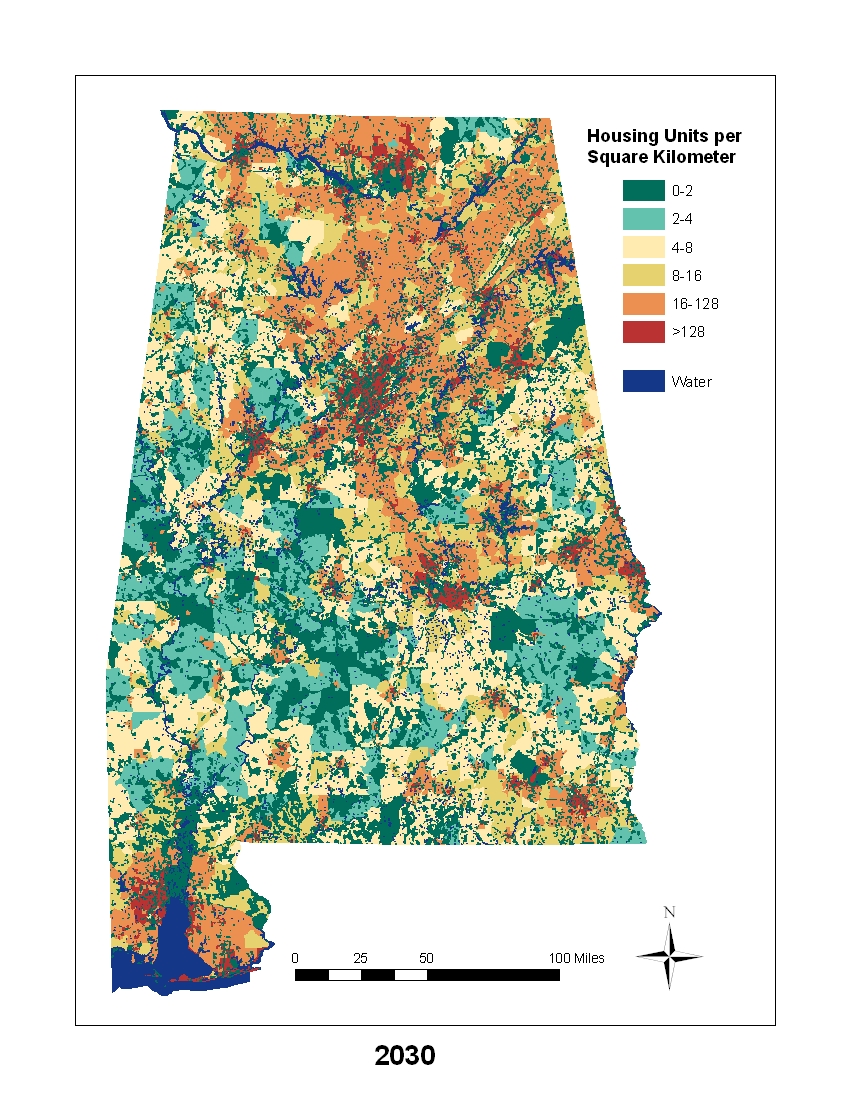
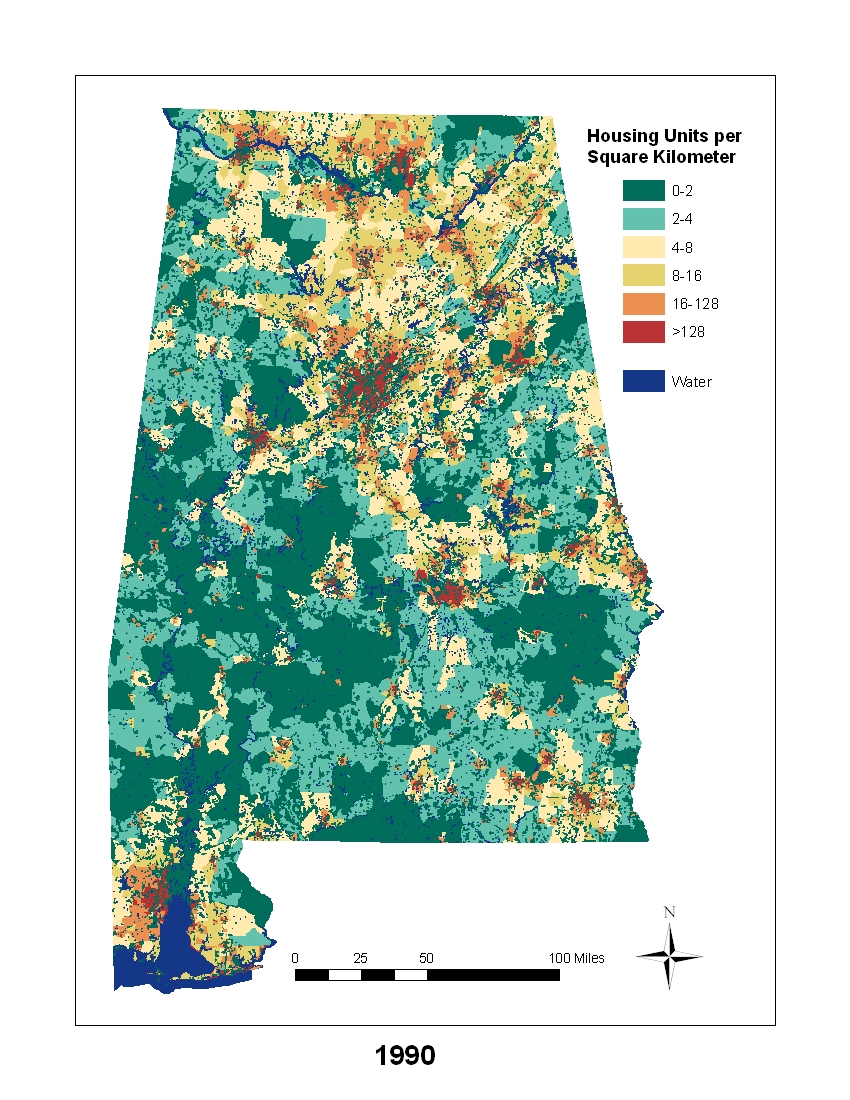
Alabama Housing Density - 1990


*Source: R.B. Hamner and V.C. Radeloff, University of Wisconsin-Madison

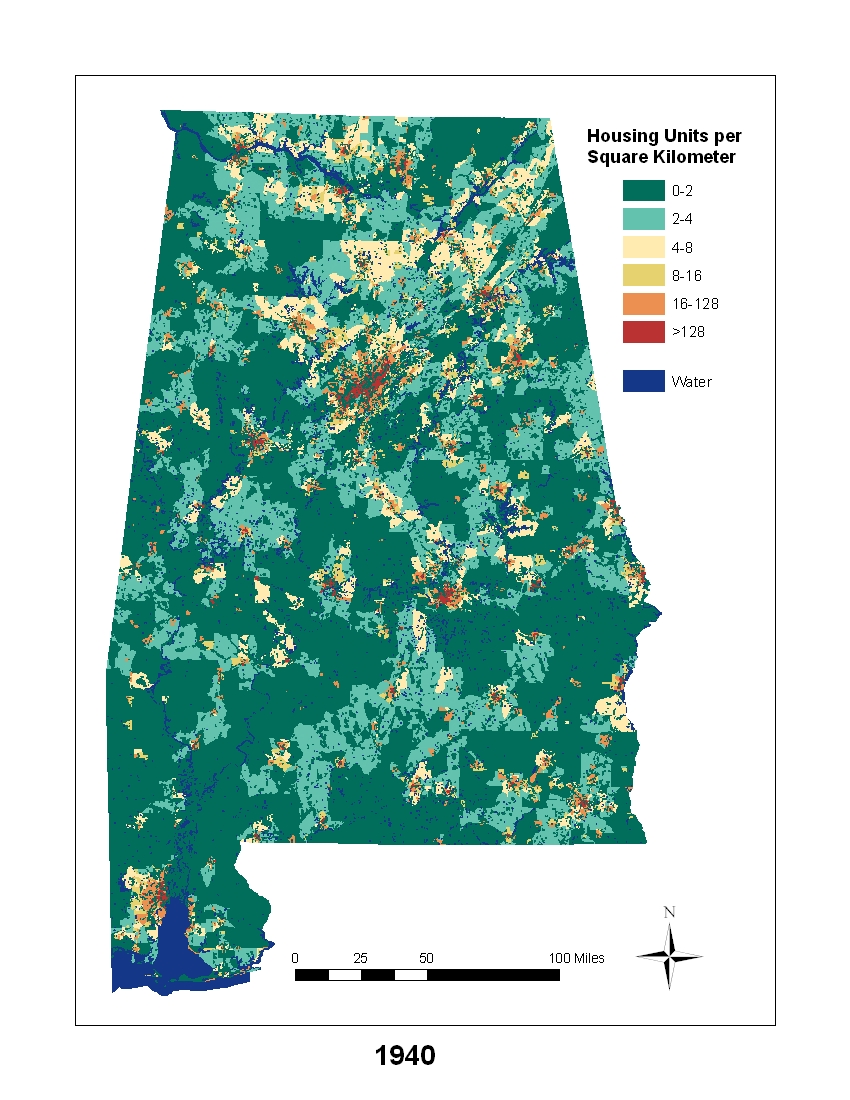
Alabama Housing Density - 1940


The Housing Density data depicted in these maps were developed by R.B. Hamner and V.C. Radeloff at the University of Wisconsin-Madison, with funding from the USDA Forest Service North Central Research Station.  For information on the methodology visit their website here. 

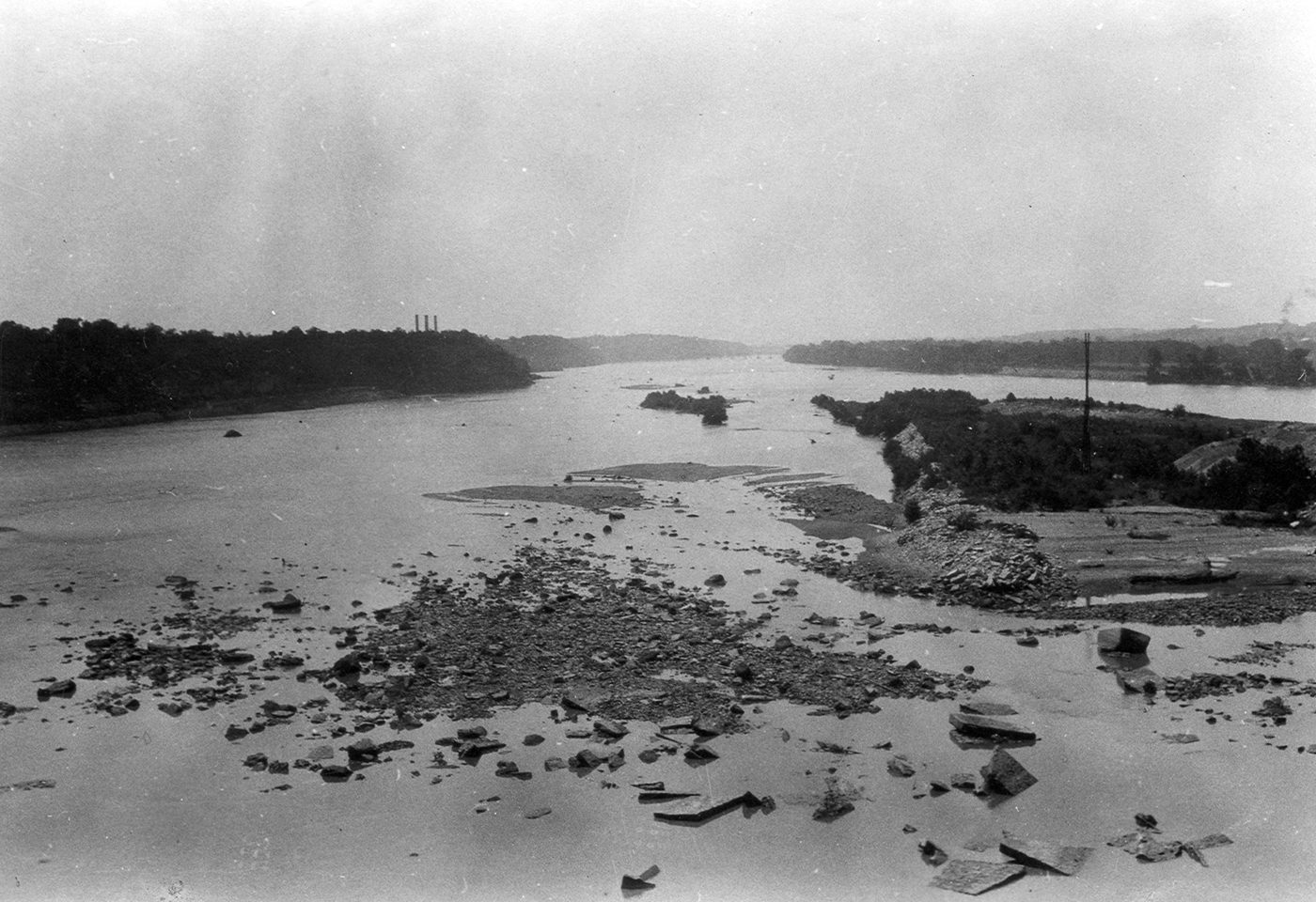
Muscle Shoals & Tennessee River - 1927


From my friend Stuart McGregor and friends at the Geological Survey of Alabama.

A view down the Tennessee River from Wilson Dam, showing a portion of Muscle Shoals and Lauderdale County - September 1, 1927.  From the Geological Survey's Library.

Wednesday, December 05, 2007

Recycling in Alabama??


Monday's
 Birmingham News follows up on the op-ed I wrote in October 2007 concerning  Alabama's poor recycling rates and the state's inability to implement the 1991 Solid Waste Plan concerning recycling.

Here is the
op-ed.


and Monday's Birmingham News article.

Passage from Bham News - 

Advocates say the benefits of recycling offset the costs. They say it saves energy, saves landfill space, protects groundwater, provides raw materials for manufacturing and creates jobs.

"We've got to remember it's the expressed wish of the Legislature that was passed back in the early'90s to reduce our waste and recycle 25 percent of our waste," Byington said. "So we have the mandate. We have the legislative intent. We've got to make it happen."


*********************

I do hope today's article can "light the spark" and move the state toward implementing the solid waste/ recycling planning laws we passed more than 15 years ago.

Tuesday, December 04, 2007

Bare Hands Gallery "Shine" Show Opens December 7th


                    Kathy Rose-Byington's Glass Stars


Bare Hands Gallery  (located on 1st Avenue South & Richard Arrington Blvd in Birmingham), a nonprofit art gallery, will be holding its Holiday Show reception on Friday, December 7th, 6:00pm to 10:oopm.   My wife, Kathy Rose- Byington, has 80 glass "stars" in the gallery's front window.

Sunday, December 02, 2007

National Wildlife Refuges = Jobs & Better Environment

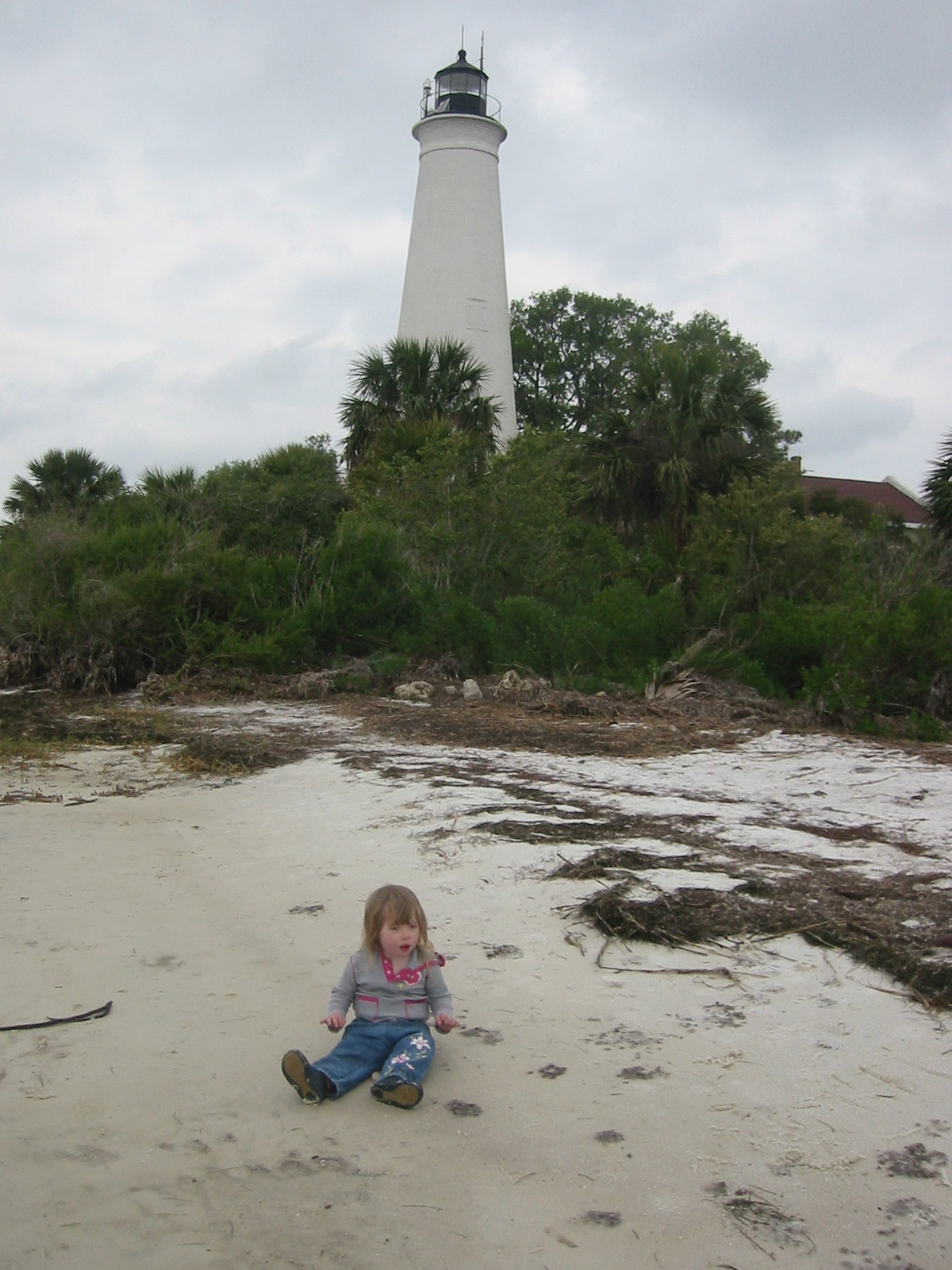
            Whitney Byington (age 2) in front of the St. Mark NWR Lighthouse


New Study: National Wildlife Refuges Boost Local Economies - A recent report released by the U.S. Fish and Wildlife Service  titled  Banking on Nature 2006: The Economic Benefits to Local Communities of National Wildlife Refuge Visitation  documents economic benefits National Wildlife Refuges (NWR) provide in local communities. Nationally, according to the study, nearly 35 million people visited National Wildlife Refuges in 2006, supporting almost 27,000 private sector jobs, producing $543 million in employment income and $185.3 million in local, county, state federal tax revenue.


In Alabama, the report profiled the Wheeler National Wildlife Refuge located along the Tennessee River between Huntsville and Decatur.  The 34,500 acre Wheeler NWR is considered the easternmost Refuge in the Mississippi flyway and attracts thousands of wintering waterfowl each year, including the State's largest duck population.  The  refuge is also home to 115 species of fish, 74 species of reptiles and amphibians, 47 species of mammals, and 285 species of songbirds.


According to the report, the Wheeler NWR provided the following economic benefits in 2006:


Total Visits - 590,743

Visitor Recreation Expenditures - $12 million

Fishing-related Expenditures - $5.9 million

Non-consumptive related Expenditures - $4.7 million

Total Number of Jobs - 202

Total Tax Revenue - $2.2 million


Along with Wheeler, the state of Alabama also benefits from 10 other National Wildlife Refuges.  Check out each refuge at http://www.fws.gov/refuges/refugeLocatorMaps/Alabama.html

Friday, November 30, 2007

Sen. Shelby & Environmental Education


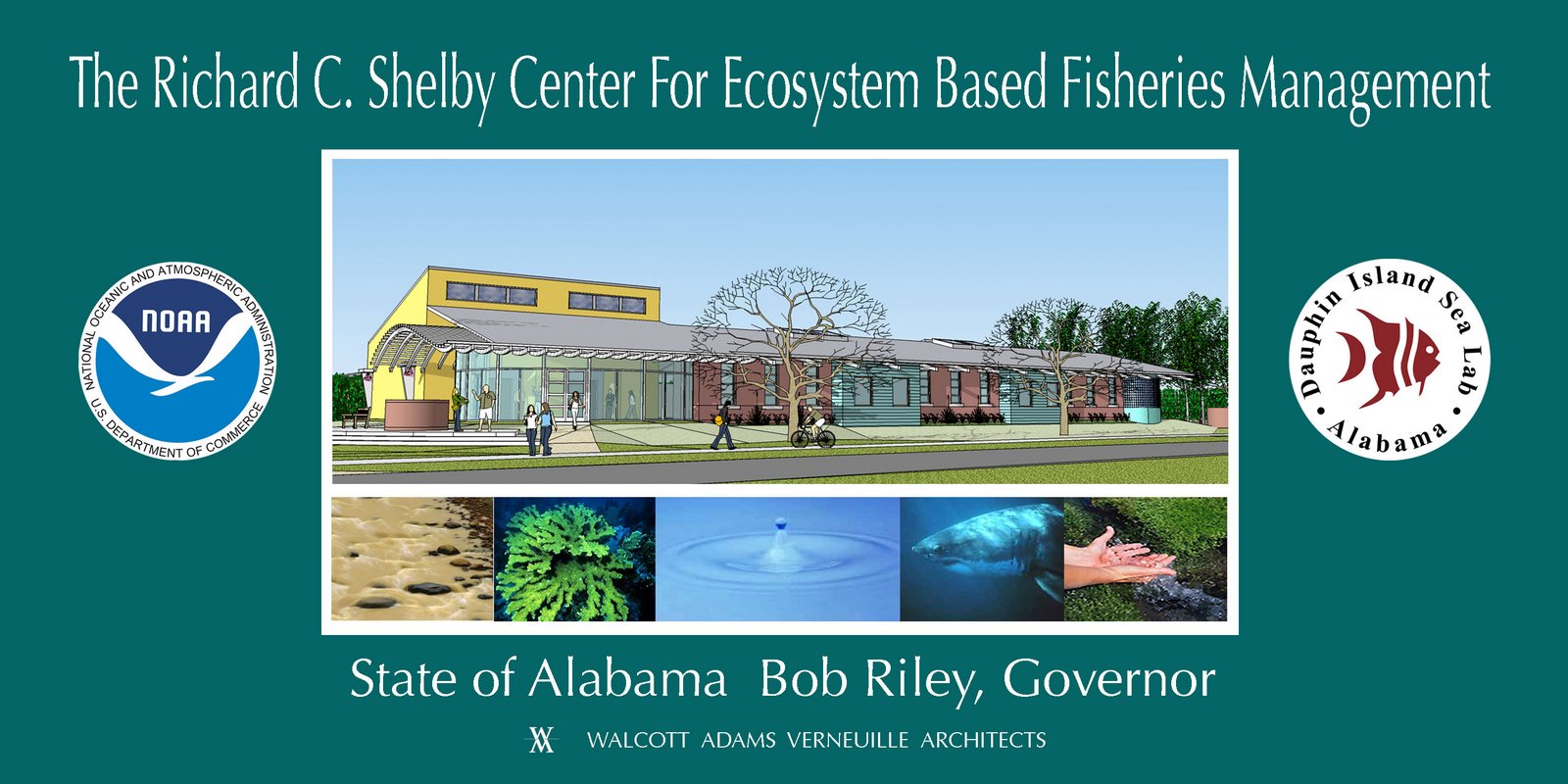
Senator Richard Shelby is truly making his mark on Environmental Education in Alabama. Here is a list of environmental education and research centers he has championed over the last few years:


These centers are not only providing cutting edge environmental education and research programs, but they  also plan to be state of the art eco-friendly LEED certified facilities.

Monday, November 26, 2007

Ruffner Mountain Expansion Groundbreaking


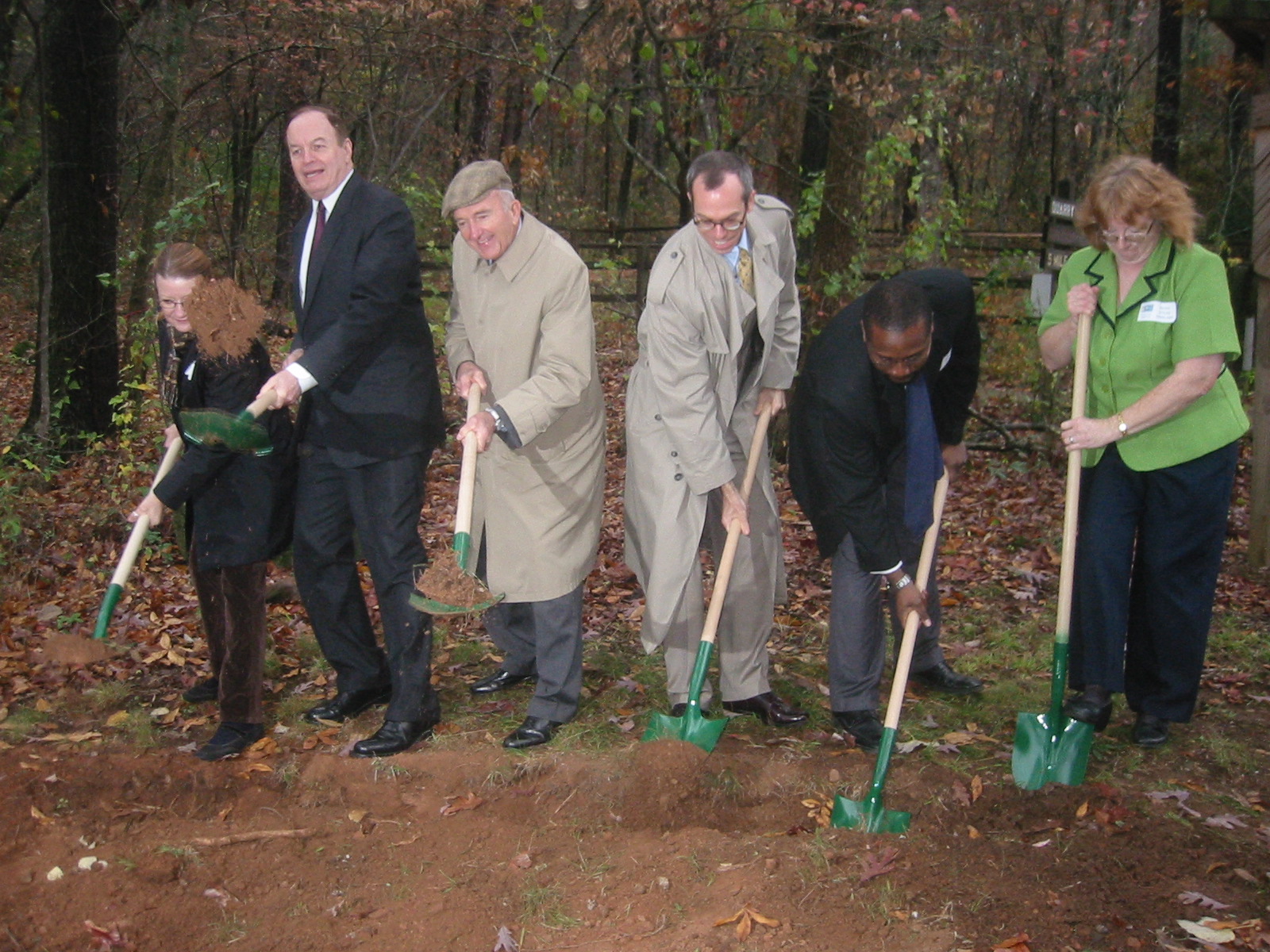
Great Day at the Ruffner Mountain Tree Top Visitor/Environmental Education Center Groundbreaking with Senator Richard Shelby.


"Kid Birding" In Birmingham


Many thanks to Birmingham Audubon's Greg Harber (2nd person from the right) for taking out the kids in my neighborhood last week for some "Kid Birding."  BTW - my "kid" (Whitney) is in the center  "looking" for birds through her binoculars.

BEN Thanksgiving Special

1) BEN's List of Chosen Charities for Thanksgiving
2) BEN's List of Alabama Gift Ideas
3) Special Quotes and Passages About Alabama and the Environment

****************************************

1. BEN's List of Chosen Charities for Thanksgiving - In lieu of BEN subscription fees, please consider making a contribution to one of the Bama Environmental News chosen charities this Thanksgiving Season. The charities include:

The Wilderness Society - c/o Frank Peterman, 112 Krog Street, Atlanta, Georgia 30307 - Make checks payable to The Wilderness Society

University of Washington Foundation/Rose Endowed Scholarship - UW Medicine Development - Attn. Donna Caliri, Campus Box 358220, Seattle, Washington 98195 (Checks Payable to UW Foundation - reference Rose Endowed Scholarship on check) or call Donna with credit card payment at 206-543-6347.

Southern Environmental Center at Birmingham Southern College - 900 Arkadelphia Road, Birmingham, Alabama 35254 - Make checks payable to Southern Environmental Center

Camp McDowell Episcopal Church Camp - 105 DeLong Road, Nauvoo, Alabama 35578 (Checks payable to Camp McDowell - reference Pat Byington Scholarship Fund on check)

Sheffield High School "Environmental Public Service Scholarship" - Sheffield Education Foundation, c/o Dr. Richard Gardner, Ed. D., 300 West Sixth Street, Sheffield, Alabama 35660 - (Checks payable to the Sheffield Education Foundation - reference Byington scholarship on the check)

Short descriptions of each Charity can be found at : http://www.BamaNews.com/donation.html

2. BEN's List of Alabama Gift Ideas - This holiday season, please consider these local Alabama eco-friendly companies and non-profits for this year's gift giving.

Sweetwater Pecan Company - A Southeast Alabama Company that provides locally grown pecans and various other gifts. The company is owned by local environmentalists and friends of BEN, Terry and Susan Bishop. Check them out at http://www.sweetwaterpc.com/

Kingfisher Editions - Check out Beth Mayor Young's (Alabama's Ansel Adams) photography at http://www.kingfishereditions.com

Higher Ground Roasters - A local Alabama coffee company that sells special "brands" on behalf of several nonprofit environmental groups including: Alabama Environmental Council, Alabama Rivers Alliance, Freshwater Land trust, Jones Valley Urban Farm and the SE. Foot Trails Coalition. Visit http://www.highergroundroasters.com

Red Rain Store - A local Alabama store in Homewood, Alabama, Red Rain is sells a wide variety of eco-friendly items at the store and online! Visit - http://www.redrainstore.com

Discovering Alabama - Want to purchase one of the 63 episodes of Doug Phillip's Discovering Alabama? Visit http://www.discoveringalabama.com/schedule.html

Wild Paths - Check out this wonderful wildlife enhancement project sponsored by the Alabama Wildlife Federation in conjunction with the Alabama Institute of the Deaf and Blind in Talladega. Go to http://www.wildpaths.org

Weeks Bay Reserve Foundation - Order the 2007 Weeks Bay Holiday ornament for $10. This year's edition features a Spotted Sea Trout with an estuary scene backdrop. Call 251-990-5504 to order.

Hummer Study Group - Check out Bob and Martha Sargent's catalog of books and hummingbird "starter kits" at the Hummer Study group site.

Alabama Environmental Organizations - Gift Items

Several Alabama environmental groups provide "online stores" to members and the general public. Here is a listing of "online stores."

Nature Conservancy Gift Store 
Alabama Wildlife Federation - http://www.alabamawildlife.org/shop_online/
Southeastern Cave Conservancy - http://www.scci.org/merchandise.html
Alabama Wildbird Conservation Association - http://www.alaweb.com/~Kenwood/saba/index.html
Wild South - http://www.wildsouth.org
Black Warrior Riverkeeper - http://www.blackwarriorriverkeeper.org
Alabama Coastal Foundation - http://www.joinacf.org/toppage2.htm

3. Special Quotes and Passages About Alabama and the Environment

Below: A passage given to me from Stuart McGregor, a biologist at the Geological Survey of Alabama. This particular passage honors my hometown region Muscle Shoals.

".....The expansion of the Tennessee River, known by the name of Muscle Shoals, is of the character I have described; it is shallow, ornamented with a number of small islands, and its bed is full of the long grass which abounds in various species of Naiades. The lover of the grand and the beautiful in natural scenery, as well as the student in science, will here find abundant sources of interest. He will be delighted with a noble river, whose beautiful and numerous islands are clothed with gigantic trees; whose high and undulating shore on the one hand is ornamented with thriving villages, and on the other spreads out an extensive alluvial, rich in all the gifts of Ceres, or rises abruptly from the river a mural escarpment of carboniferous limestone, which reflectes its blue and sombre aspect in the crystal waters at it base...." ~ Timothy Abbot Conrad, "New Freshwater Shells of the United States", Philadelphia, 1834

From David Brower, the "Archdruid"

"Allow me to offer you a short course in ecology, beginning with rot. Rot is an extraordinary important process. Rot is highly exciting. But we give it a three letter word. We say, "This tree is sick," and "This is rotten, anyway. We should get rid of it."

By removing the rotten tree from the forest, we knock out of existence all the species that were going to use that tree for a home, for their dinner, until it rotted away completely, and helped nourish the next tree, maybe 200 or more years down the line. This a very good system. Unfortunately, we've learned to interrupt it rather than to live with it. We have learned how to break the circle of life instead of respecting it.

Nature recycles everything. There isn't anything that isn't recycled. Go outside. Look at the natural systems. Study them and learn to read the Earth. You will see what it has had time to learn. You will begin to understand the life force." ~ David Brower from Let the Mountains Talk Let the Rivers Run


"Wild nature, then, has been a way to recognize God and to talk about who he is - even, as in Job, a way for God to talk about who he is. How could it be otherwise? What else is, or was, beyond human reach. In what other sphere could a deity operate freely? It is not a chance that every second hymn in the hymn book rings with the imagery of the untouched outdoors. "All thy works with joy surround thee, Earth and Heaven reflect thy rays," we sing Beethoven's "Ode to Joy." Sheep and harvests and the other common motifs of the Bible are not just metaphors; they are also the old reality of the earth, a place where people depended for both life and meaning on the nature they found around them. "We plow the fields and scatter the good seed on the land. But it is fed and watered by God's almighty hand. He sends the snow in winter, The warmth to swell the grain, The breezes and the sunshine, And soft refreshing rain. All good gifts around us Are sent from heaven above." ~ Bill McKibben from The End of Nature

Tuesday, November 20, 2007

Mobile Register Invasive Species Op-ed Written by Pat Byington in January 2006

"It's a bomb about to go off."

It's one of life's little ironies that hurricanes should figure so
prominently in the career of Rick Guffey, a soft-spoken man from the landlocked hills of North Alabama. He is the Director of Conservation Programs for the Nature Conservancy, Mississippi Chapter. He spoke in a serious, urgent tone.

"I don't mean to be alarmist, but we need to do something now or we will see the ecological makeup of our forests and landscapes totally changed."

The combined impact of hurricanes Ivan in 2004 and Katrina and Rita this year has created an unprecedented opportunity for invasive species to virtually wipe out acre after acre of coastal habitats and begin to encroach upon commercial forestry and agricultural resources. Two plants in particular, the Chinese tallowtree (Triadica sebifera) and Japanese cogongrass (Imperata cylindrica), are poised to create an ecological -- and economic -- tragedy.

These plants spread quickly, are resistant to drought and disease, aggressively crowding out native species. The main thing they require is an abundance of sunlight. The hurricanes of the past two years tore through great swathes of forests in southern Alabama, Mississippi and Louisiana, clearing a path for a second natural disaster with even longer-lasting implications.

"Many of my constituents had all their assets literally blown away by Hurricane Ivan," said Congressman Jo Bonner in a meeting last month. "We have got to find a way to help these forestowners." That hurricane alone created more than $1 billion in lost timber values.

One of Alabama's most important industries is forestry, so addressing these losses is a priority. At the same time, scientists, landowners, environmentalists, the timber industry and the public must address the rising threat of invasive species, or these timber producing regions will cease to be a valuable natural resource for our state.

"Over the last decade it has been a slow-moving but pervasive problem," Guffey says. "But the combination of these major natural disturbances with the disruptions caused by upcoming recovery efforts takes the problem to a much higher level." The Chinese tallowtree has the potential to become the dominant species in several different habitats, and once established, is very difficult to control. It has even been shown to alter soil and water chemistry.

Alabama is blessed with a remarkable biological diversity. Within a few hundred miles, the geography produces a wealth of habitats, which in their turn support the wildlife that make hunting and fishing such popular sports. Bottomland hardwood, maritime forest, pine flatwood, pine savanna, tidal marsh, beach/dune, and island habitats are now all threatened by this acceleration of invasive species. When plant life diversity is reduced, native wildlife diversity takes a corresponding blow, so the impact is spread even further. The loss of this biological diversity would have a ripple effect far beyond the forest and agricultural industries.

The Chinese tallowtree, also called a "popcorn tree," has no marketable uses. Its primary characteristic is its ability to choke out trees which do have value on the marketplace. Japanese cogongrass grows so densely that it, too, chokes out any competing native species. The grass spreads remarkably quickly, by natural means and also by getting caught up in the tires of trucks and equipment in one area, and taking a free ride to a new spot. The downed trees of the hurricanes offer both species an opportunity to spread like wildfire.

Easing the human misery of hurricanes Katrina and Rita is of primary importance. But overlooking the long-term menace of invasive species is a mistake we cannot afford to make. Bringing together all the stakeholders this winter would be a first step in finding a solution. We need to offer relief to those landowners who have suffered from the devastation. At the same time, we must discuss all the possible ways to preserve the value of our forest and landscapes; that value may be found in its biological diversity and ability to shelter wildlife, or in its use as agricultural or forestry resources.

Alabama has over 220,000 non-industrial forest landowners, most owning timberland with less than 100 acres. These people have invested in Alabama's natural resources and are counting on their ability to leave a legacy to their children and grandchildren. We need to find ways to help our fellow Alabamians succeed.

Let's get together with our neighboring states now and find out what the solution may be. There is little time to defuse that bomb. Our decisions today are shaping the world our children and grandchildren will inhabit. We can choose to leave as our legacy endless acres of monotonous alien species, the product of our apathy. Or we can choose to pass on the landscape we ourselves inherited, a landscape of beauty and biological diversity.

Written by Pat Byington, ecologist who works for the Auburn University Center for Forest Sustainability and Karyn Zweifel, author and freelance writer from Birmingham

Sunday, November 18, 2007

Bham News Recycling Commentary - By Pat Byington

The question came from out of the blue: "Do people recycle in Alabama?" asked the young bakery shop clerk in Cannon Beach, Ore., where I was vacationing with my family this past summer. I've worn my University of Alabama T-shirt many a time, but it has never elicited that question before.

Curious, and caught just a bit off guard, I answered with my own question: "Why do you ask?"

"Oh, well, I visited Alabama for a few weeks earlier in the year," she began, haltingly, "and there were no recycling centers. There was nothing. Just a lot of trashy roadsides. It was kinda ugly."

"Yeah, I know," I replied through a grimace. I also knew why it was that way.

If you ever wanted to identify the longest list of abandoned policy recommendations in the history of state government, you would have to look no further than Alabama's 1991 Solid Waste Management plan concerning recycling and waste reduction.

Following a legislative mandate, the 1991 plan recommended various initiatives designed to fulfill a 25 percent recycling/waste reduction goal in our state's solid waste stream by 1997. Nearly a generation later, Alabama is nowhere close to achieving that goal.

So why can't we recycle and reduce our garbage in Alabama like so many other communities around the country? We can, except for the lack of political will.

A case in point: I have relatives in Shelby County's Brook Highland neighborhood who recently told me about an exciting new recycling program in their community initiated by a high school senior as a class project. The ambitious student is picking up people's recyclables, door to door, and charging residents a monthly fee. After living in Alabama for more than 15 years, my relatives are thrilled to finally have a curbside-recycling program. All this from a high school class project that will most likely end when the student graduates in May.

Now, I don't have a problem with the student's ingenuity and entrepreneurial spirit, but shouldn't my relatives be able to expect the same service from Waste Management, the neighborhood's waste collector and one of the largest companies of its kind in North America?

Well, they should expect that service, and they would get it if they lived somewhere else. If they happened to live in a suburban Seattle neighborhood, where my wife's parents live, Waste Management would go to great lengths to help them recycle.

As my father-in-law boasts, his local government is so serious about recycling and waste reduction, it demands compliance from its waste collectors.

It requires companies such as Waste Management to provide two large recycling containers to each household -- one for recyclables and the other for yard waste -- and a small garbage bin. The tiny bin is an inducement to recycle, plain and simple.

Depending on where you live in Alabama, it costs $20 to $30 to landfill a ton of garbage. If we did achieve the 25 percent goal, Alabama would save $20 million to $30 million in landfill costs, lengthen landfill life, save energy, bolster the recycled-materials industry, develop new markets and create far more jobs than by simply burying all of our recyclables.

But it has to start with political will -- and leadership -- from the local government. Without policies that require waste collectors to create recycling incentives, none of this would happen.

Recent statistics on solid waste from the Alabama Department of Environmental Management give a compelling reason why we should recycle more in this state. Alabamians throw away approximately seven pounds of garbage per person per day, or more than a ton and a half a year. With about 4.6 million state residents, that means we toss out more than 11.5 billion pounds of garbage every year!

In contrast, Alabama's recycling rate is a meager 8.3 percent, which is far below the 25 percent goal set nearly two decades ago, according to ADEM. For comparison, the national recycling rate, according to the Environmental Protection Agency, is 32 percent, four times the current rate in Alabama. We are getting trounced by the rest of the nation when it comes to recycling.

Genuine efforts to recycle and reduce our wastes statewide will also create a new culture of environmental stewardship in Alabama, one that will find "unacceptable" the littered roadsides and streambanks, and the illegal dumps in our forests we currently tolerate.

All it takes to spark the change is political will, and a bit of prodding from the citizenry. Maybe it is time we dust off that 1991 Solid Waste Plan and start implementing it. But before we do that, perhaps it is time we all start demanding recycling in our own neighborhood, and not wait for a high school class project to tackle this urgent problem.

Ecologist Pat Byington, publisher of the Bama Environmental News (www.BamaNews.com), is a senior associate with the Wilderness Society.

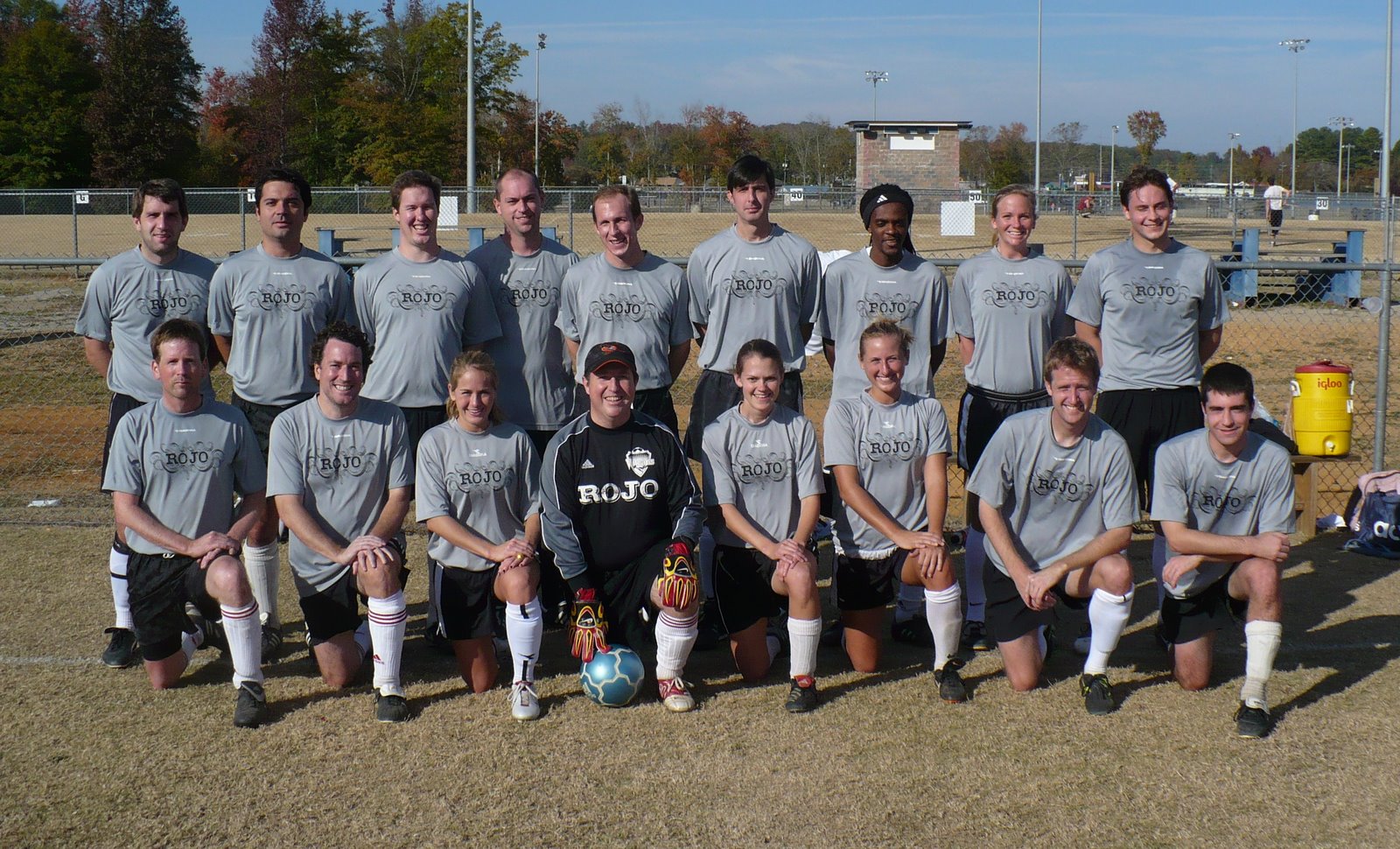
ROJO Vulcans Division 2B Champs


Yes - I know this isn't Alabama environmental news related, but as publisher of BEN I wanted to brag about my soccer team's 8-1 record and winning the Central Alabama Independant Soccer League 2B Division. By the way - I'm the goalie.

Thursday, November 15, 2007

BEN - November 9, 2007 #294

1) Mobile Register Exposes "Muddy 98"
2) List: Alabama's Cool Cities
3) Drought Dramatically Impacts 2007 Tree Seedlings
4) Forever Wild To Add Nearly 10,000 Acres In Central Alabama
5) Governors Agree To Address Water Basin/Drought Issue
6) Alabama Power Foundation Contributes $500,000 to Parks
7) BEN Notes: NWF's Catalog Choice, The Raindrop Benefit, 3rd Annual Meeting of the American Chestnut Foundation, Yancy Branch Tree Planting, Birmingham Audubon's Christmas Banquet, University of Alabama Sustainability and Climate Change Lecture Series

*****************************

The Annual Constitution Convention Coalition Summit

On November 17th, the Constitutional Convention Coalition will be holding its annual summit at Birmingham Southern College from 9:00 to 3:00. Learn how you can help reform Alabama's Constitution by attending this very important gathering. Admission is free and lunch will be available. To register for the event, visit http://www.constitutionalreform.org or email brantley@constitutionalreform.org . Today - November 9th is the registration deadline.

*************************

Check out the Watershed Identity Project's new Cahaba River video by Hunter Nichols on You Tube. Go to http://www.youtube.com/watch?v=ZMN6Ms8klso

************************

1. Mobile Register Exposes "Muddy 98" - For the past 2 months, the Mobile Register has broken numerous stories about the serious environmental damage that has been created by the state Department of Transportation's U.S. 98 road construction project near Big Creek Lake, Mobile's primary source of drinking water.

According to the Register, the damage from poor road construction practices include: a plume of sediment into Big Creek Lake that may require extra treatment and could reduce the lake's capacity; sediment from construction up to 2 feet deep damaging nearby wetlands and 2 to 3 inches of mud into parts of the pristine Escatawpa River.

Since the Mobile Register broke the story on September 19th, the Department of Transportation has spent $2.2 million attempting to bring the project's Best Management Practices into compliance and added one mile of additional silt fencing. The department has also delayed 23 road construction projects around the state to review environmental concerns.

Last week, in a meeting with the Register's editorial board, Joe McInnes, the Department's director stated... "I'm here to fall on my sword, to grovel, to apologize profusely." The Department of Transportation also claimed that ADEM had inspected the U.S. 98 project 16 times.

Below is a series of links/stories describing this environmental debacle in Mobile County.

Mobile Register's First Stories in September
Here
Register's Editorial
Here
McInnes Apologizes
Here
Mobile Baykeeper's Website (This sued the Dept. of Transportation 2 years ago trying to prevent problems such as the one's described above)
Here
Update: Breaking News: Register Points Out Additional Violations 5 days After Apology
Here

2. List: Alabama's Cool Cities - Here is something "cool." In Alabama, the cities of Auburn, Bessemer, Huntsville and Tuscaloosa have joined 766 cities across the US, by declaring their municipalities "Cool Cities."

A project of the Sierra Club, the cities that have become a "Cool City" have signed onto the U.S. Mayor's Climate Protection Agreement and committed their city to developing initiatives that will stem the negative impacts of climate change. To learn more "Cool Cities" and how to become one, visit - http://www.coolcities.us

3. Drought Dramatically Impacts 2007 Tree Seedlings - This year's devastating drought has claimed another victim - tree seedlings.

According to the Birmingham News, landowners planted new trees on 185,000 to 200,000 acres across the state this spring. Almost all of the seedlings will have to be plowed under and planted again (the exception being counties in Southwest Alabama) after this summer's drought and heat wave. Landowners consider a fledgling forest a success if at least 70% to 80% of the seedlings survive the first summer. According to the Alabama Forestry Commission, in the Birmingham region only 48% of the seedlings survived. In Walker county alone, only 17% of the seedlings survived.

The economic cost to private landowners is estimated at $25 million to $30 million.

4. Forever Wild To Add Nearly 10,000 Acres In Central Alabama - Last week, the Forever Wild program announced that it was about to make one of it's largest acquisitions in Central Alabama, with the purchase of 9800 acres near Rockford. The new Forever Wild property will be part of the Coosa Wildlife Management Area.

An important property that has been open to hunters since 1952, the land also contains rare mountain longleaf pine and a large group of the endangered red-cockaded woodpeckers. Along with the land, several miles along Hatchet and Weogufka creeks will be permanently protected. The willing seller of the land, the Hancock Timber Resource Group, a timber investment company, also made a special effort in the past few years to enhance the wildlife in the area and manage the land for longleaf pine.

5. Governors Agree To Address Water Basin/Drought Issue - With the announcement last month that Atlanta only has approximately a 90 day supply of water in reserve, the long standing water sharing dispute between Alabama, Georgia and Florida concerning the Alabama-Coosa-Tallapoosa and Apalachicola-Chattahoochee-Flint river basins erupted once again.

In response to this serious regional environmental and public crisis, the governors of Georgia, Florida and Alabama met with the U.S. Corp of Engineers, and the U.S. Fish and Wildlife Service in Washington to address the matter. From the meeting, the Corps of Engineers agreed with Alabama's assertion that the Cobb County-Marietta Water Authority is exceeding its allowable water withdrawals by 100% and that the Corps was to give the Atlanta area authority 10 days to explain how it will come into compliance. In addition, there was also an agreement between the parties to protect the flows into the Chattahoochee River at levels to enable the Farley nuclear plant in Southeast Alabama and Alabama industries along the river to remain in operation. The governors agreed to set a February 15th deadline to have all issues in their water dispute resolved.

** Check out the following Decatur Daily news article on the lack of water resource planning, not only in Alabama, but in the Southeast.

http://www.decaturdaily.com/decaturdaily/news/071104/water.shtml

6. Alabama Power Foundation Contributes $500,000 to Parks - In an effort to help support the region's 3 park initiative, last month, the Alabama Power Foundation announced it was donating $500,000 to park projects in Birmingham. The following is a breakdown of the contribution:

Railroad Reservation Park - A planned 18 acre green space, recreation, and entertainment park in the heart of Birmingham - $275,000

Red Mountain Park - 1000 acres in Birmingham and West Jefferson County - $175,000

Ruffner Mountain Nature Center - A 1000+ acre urban park in East Birmingham - $50,000

Check out each initiative and how they will help "transform" Birmingham's image into a green city, by visiting their websites at - http://www.ruffnermountain.org and http://www.redmountainpark.org

7. BEN Notes: NWF's Catalog Choice, The Raindrop Benefit, 3rd Annual Meeting of the American Chestnut Foundation, Yancy Branch Tree Planting, Birmingham Audubon's Christmas Banquet, University of Alabama Sustainability and Climate Change Lecture Series

NWF's Catalog Choice - Want to stop the coming "flood" of catalogs invading your mailbox this holiday season? Visit the National Wildlife Federation's Catalog Choice website at http://www.nwf.org/paper/catalogchoice.cfm to find out how.

2nd Annual Raindrop Festival Art Auction - The 2nd Annual Raindrop Festival Art Auction benefiting the Hulsey Little River Land Trust will be held November 10th at ROJO in Birmingham, Alabama. The Hulsey Land Trust was founded in 2006 in honor of Shane Hulsey, the Cahaba River Society's CLEAN Director who died in tragic accident. For information about Shane and the new Land Trust please visit http://friendsofshane.blogspot.com/2006/12/hulsey-little-river-trust.html

3rd Annual Meeting of the American Chestnut Foundation - The Alabama Chapter of the American Chestnut Foundation will be holding its 3rd Annual Meeting at the Birmingham Botanical Garden's Lecture Hall on November 17 at 10:00 AM. For additional details contact Wayne Boldin at sboldin50@alltel.net or 205-915-2863.

Yancy Branch Tree Planting - The Alabama Coastal Foundation will be holding the Yancy Branch Tree Planting on November 17th, 9:00 to Noon (meet at the Village Point Pavilion) in Daphne. Contact the ACF at angela@joinacf.org if you plan to volunteer.

Birmingham Audubon's Christmas Banquet - This year's Birmingham Audubon Society's Christmas Banquet will feature renowned history of American Birding author Scott Weidensaul on December 4th, 6:30pm at the Vestavia Country Club. The dinner and event is $35 per person. Get your reservation today by calling Mary Brewer at 205-967-0752. The deadline is November 27th. Additional info can be found at http://www.birminghamaudubon.org

University of Alabama Sustainability and Climate Change Lecture Series - Last night I attended an incredible lecture by Chris Mooney, the author of Storm World. I highly recommend Mooney's book and his website/blog http://scienceblogs.com/intersection/ . BEN readers should also check the University of Alabama's lecture series that resumes on December 6th. For details visit - http://www.as.ua.edu/apsacc

Tuesday, October 09, 2007

BEN - October 4, 2007 #292

1) Sierra Club Names Upper Cahaba River "Important to Protect"
2) Alabama's Scenic Byways Named
3) Drought of 2007 Impact on Agriculture
4) New Initiative Aims to Restore 37,000 Acres in Longleaf Pine Forests
5) BEN Notes I (Jobs, Grants & Websites) - Red Mountain Greenway Commission Seeking Director, NWF Outreach Position, Forests Forever Grant Application, Biodiversity Heritage Library, NWF Climate Classroom, 2007 IUCN Red List of Threatened Species, National Assessment of Coastal Vulnerability to Sea Level Rise
6) BEN Notes II (Events) - Alabama Assets: Conservation Matters, Solar Home Tour, Mobile Baykeeper 10th Anniversary Celebration, Overfishing in the Gulf Press Conference, SEC's Ecofest, Alabama Coastal Bird Fest, Global Warming Conference in Birmingham, Weeks Bay Foundation to Hold Conservation Easement Seminar, 2nd Annual Raindrop Festival Art Auction

***************************************

1. Sierra Club Names Upper Cahaba River "Important to Protect" - Recently, the Sierra Club released a new national report titled "The 52 Most Important Places to Protect Within the Next 10 Years." The report identified the Upper Cahaba River in metropolitan Birmingham as a priority "place to protect" in Alabama. The Club designated the Upper Cahaba because of the river's biological diversity and it's use as a primary drinking water source for the region. Population pressures and suburban sprawl were recognized as the primary threats to the river.

To read about the Upper Cahaba and the other "51 Most Important Places" visit : http://www.sierraclub.org/wildlegacy/52places/

2. Black Warrior Scenic Byway Designated - Recently, the Black Warrior Scenic Byway was named Alabama's seventh scenic byway designated by the state Scenic Byway program. The state program, which was founded in 1998, has named the following state scenic byways since its inception:

Appalachian Highlands Scenic Byway
Barbour County Governor's Trail
Black Belt Nature and Heritage Trail
Black Warrior River Scenic Byway
Leeds Stagecoach Route
Lookout Mountain Parkway
Alabama's Coastal Connection

Alabama has three (3) National Scenic Byways

Talladega Scenic Drive
Natchez Trace Scenic Drive
Selma to Montgomery March Scenic Byway

To learn more about the Alabama Scenic Byway program, visit their website at: http://www.alabamabyways.org

3. Drought of 2007 Impact on Agriculture - According to the Birmingham News, Alabama farmers planted 50% more of their land with corn this year hoping to benefit from high corn prices resulting from increased demand for ethanol fuel production. The hope for a big payday has been spoiled by this year's drought.

According to the National Agricultural Statistics Service - the corn harvest forecast is a 31.3% increase from the 11.8 million bushels reaped in 2006. The increase occurred because the number of acres planted with corn rose from 200,000 last year to 300,000 this year - up by 50%. The predicted yield per acre for corn is 65 bushels, down from 72 bushels last year and a 10 year average of 95 acres.

Other crop impacts:

Hay Production is expected to fall from 2 tons per acre last year to 1.7 tons this year.
Peanut harvest is predicted to be 345.4 million pounds or 15.2% less than last year.
Cotton production is 470,000 bales or about 30.4% less than the 675,000 bales harvested last year.

4. New Initiative Aims to Restore 37,000 Acres in Longleaf Pine Forests - A new initiative under the U.S. Department of Agriculture Farm Service Agency's (FSA) Conservation Reserve Program aims to enroll and restore 37,000 acres of Alabama forestland into Longleaf Pine Forests. The program, which began last year in October and will end this year on December 31, 2007 seeks to restore more than 250,000 acres of longleaf pine throughout the South.

Historically, the longleaf pine was the dominant tree species on an estimated 60 million acres along the coastal plain from east Texas to the Piedmont of Virginia, and extending into the Mountains of Alabama. Today natural stands of longleaf pines currently occupy less than 3 million acres of its original range. To learn how to enroll in this program, contact your local Forestry Commission office or visit the Farm Service website at http://www.fsa.usda.gov

5. BEN Notes I (Jobs, Grants & Websites) - Red Mountain Greenway Commission Seeking Director, NWF Outreach Position, Forests Forever Grant Application, Biodiversity Heritage Library, NWF Climate Classroom, 2007 IUCN Red List of Threatened Species, National Assessment of Coastal Vulnerability to Sea Level Rise

Red Mountain Greenway Commission Seeking Director - The Red Mountain Greenway and Recreational Area Commission is seeking an Executive Director to lead the development and implementation of the Red Mountain Park. If you would like to request a full job description, please contact Lauren Seto at lauren@clarusgroup.net or call 205-254-0129.

The National Wildlife Federation (NWF) is seeking a regional Outreach Director for their Atlanta Southeast Office. For details and application information go to: https://secure.nwf.org/careergateway/index.cfm?fuseaction=search

Forests Forever Grant Application - The 2008 Forests Forever Grant Application is available at the Alabama Forests Forever website - http://www.alaforestsforever.org The grant applications are due November 1st. If you have any questions about the application or process, call or email Rick Oates at 334-481-2130 or roates@alaforestry.org

Biodiversity Heritage Library - Ten major natural history museum libraries, botanical libraries, and research institutions have joined to form the Biodiversity Heritage Library Project. Over 1,124 million pages of key taxonomic literature are already available on the web. To visit this site go to - http://www.biodiversitylibrary.org

NWF Climate Classroom - The National Wildlife Federation's Climate Classroom is designed to help parents and teachers talk to students of differing ages about global warming. Download slide presentations, age-adapted sources of useful curricula and educator guidelines at http://www.ClimateClassroom.org

2007 IUCN Red List of Threatened Species - The 2007 IUCN Red List of Threatened Species has been released. There are now 41,415 species on the IUCN Red List and 16,306 of them are threatened with extinction. Here is the IUCN Red List website - http://www.iucn.org/themes/ssc/redlist2007/index_redlist2007.htm

National Assessment of Coastal Vulnerability to Sea Level Rise - Check out this website on coastal vulnerability to sea rise from the US Geological Service - http://pubs.usgs.gov/of/2000/of00-179/

6. BEN Notes II (Events) - Alabama Assets: Conservation Matters, Solar Home Tour, Mobile Baykeeper 10th Anniversary Celebration, Overfishing in the Gulf Press Conference, SEC's Ecofest, Alabama Coastal Bird Fest, Global Warming Conference in Birmingham, Weeks Bay Foundation to Hold Conservation Easement Seminar, 2nd Annual Raindrop Festival Art Auction

Alabama Assets: Conservation Matters - Check out Beth Maynor Young's latest opening in Birmingham at the Marilyn Wilson Gallery - Oct. 5th, 5-8PM at 3908 Clairmont Ave. Birmingham 35222. For more info call 205-591-1150 or visit http://www.kingfishereditions.com

Mobile Baykeeper 10th Anniversary Celebration - Mobile Baykeeper will be celebrating their 10th Anniversary on October 4th, 6-8 pm at the Five Rivers Delta Resource Center on the Causeway. The keynote speaker for the event will be Steve Fleischli, President of Waterkeeper Alliance. Entertainment will be provided by the local bluegrass band, Delta Reign, featuring Kenji Bunch, Composer in Residence with the Mobile Symphony. Food, beer and wine will also be served. Tickets are $50 and can be purchased by calling Mobile Baykeeper at 251-433-4229. You can also visit http://www.mobilebaykeeper.org for additional details.

Solar Home Tour - Energize Alabama is sponsoring 2 local Solar Home tours in rural Blount County on Saturday Oct. 6th at 9:00am and 2:00pm. Register at greenworks@juno.com (put "home tour" in subject line) or call 205-429-4120. For additional info go to http://www.EnergizeAlabama.org

Overfishing in the Gulf Press Conference - On October 10th, 11:00am at Cathedral Square in downtown Mobile, a diverse coalition of Forty (40) fishermen, scientists, tourism providers and environmental groups will be holding a news conference calling for new regulations to end overfishing in the Gulf. To learn more about this event contact Emily Stone with USPIRG at 617-990-7430.

SEC's Ecofest - The Southern Environmental Center at Birmingham-Southern College will holding EcoFest 9, Thursday, October 11, 6-9pm at WORKPLAY in Birmingham. This year's gourmet food will be provided by Gray Bynum of Culinard & Chris Dupont of Cafe Dupont. Tickets are $50 and can be purchased by calling the SEC at 205-226-4934.

Alabama Coastal Bird Fest - The 4th Annual Alabama Coastal BirdFest returns October 18-21 in Spanish Fort at the 5 Rivers Delta Resource Center. Visit http://www.alabamacoastalbirdfest.com for a complete list of field trip destinations, schedules, costs and registration and lodging information.

Global Warming Conference in Birmingham - Friends of Birmingham Botanical Gardens will be holding 'Calming Global Climate Change Symposium" on October 30, 8:30 AM to 3:00 PM at the Gardens. For registration details visit - http://www.bbgardens.org/Calming-Climate-Change_197_ev.htm or call 205-414-3950.

Weeks Bay Foundation to Hold Conservation Easement Seminar - The Weeks Bay Foundation is sponsoring an advanced seminar on conservation easements and land stewardship with Stephen Small. The seminar is scheduled for November 2nd at the Grand Hotel in Point Clear, 8:00am to 4:00pm. For more information contact Mike Shelton at 251-928-9792.

2nd Annual Raindrop Festival Art Auction - The 2nd Annual Raindrop Festival Art Auction benefiting the Hulsey Little River Land Trust will be held November 10th at ROJO in Birmingham, Alabama. The Hulsey Land Trust was founded in 2006 in honor of Shane Hulsey, the Cahaba River Society's CLEAN Director who died in tragic accident. For information about Shane and the new Land Trust please visit http://friendsofshane.blogspot.com/2006/12/hulsey-little-river-trust.html

Tuesday, September 04, 2007

BEN - Labor Day Special

Dear BEN Reader:

I love this time of year. It seems every Labor Day weekend the temperatures fall 10 degrees (unfortunately that means to 90 + degrees this year), soccer and football season begin, schools open, and every weekend from now until December people volunteer to help cleanup their streams and neighborhoods, birdwatch, walk in the woods and slowly observe the trees change colors.

To start the "after Labor Day" season off right, below is a list of some wonderful books, quotes, websites and activities to help prepare and energize us for this time of year.

Best Wishes,

Pat Byington
Publisher - BEN

***************************

1) Labor Day Reading List - Mirage, Refuge, Here If You Need Me, Ivorybill Hunters and Longleaf
2) Inspirational Environmental Quotes
3) Website Resources - Helpful Tips, Photography and Environmental Reports
4) Volunteer Alabama - Opportunities to Help "Cleanup Alabama"

1. Labor Day Reading List - Mirage, Refuge, Here If You Need Me, Ivorybill Hunters and Longleaf

Below are links to books I read and re-read this summer that are timely and inspirational. One book I have yet to read (just ordered it on Amazon) Here if You Need Me: A True Story, is written by Kate Braestrup, the sister of Angel Braestrup, executive director of the Munson Foundation, a foundation that funds many worthwhile environmental projects/programs in Alabama. The reviews have been wonderful (by the way Kate was just named a CNN Hero). Here is the rest of the Labor Day Book List.

Mirage : Florida and the Vanishing Water of the Eastern U.S. by Cynthia Barnett

A timely book. I read Mirage in August, right in the middle of the heat wave/drought that was hitting Alabama. Fortunately, for my family and I, we were on vacation enjoying 70+ degree weather in the Pacific Northwest.

Refuge - An Unnatural History of Family and Place by Terry Tempest Williams

Just re-read this book. I was fortunate to meet Terry Tempest Williams more than 10 years ago at a conference in California. A graceful, inspirational woman, Refuge is about nature, cancer, beauty and simple life. A lovely book.

Ivorybill Hunters: The Search for Proof in a Flooded Wilderness by Geoffrey Hill

A fun read, especially if you are a birder in Alabama and interested in "unlocking" the Ivorybill mystery.

Longleaf by Roger Reid - also go to Roger's website here

Geared toward younger readers, Longleaf will "capture" and take your child (and you!) on a journey through Alabama's Conecuh Forest.

2. Inspirational Environmental Quotes and Passages

"Judaism prescribes blessings for ordinary events and blessings for extraordinary ones. The ordinary event, the daily rising of the sun, is greeted with a blessing that evokes a time when the world had just come into being: "We praise God who daily renews the works of creation." When it comes to extraordinary events, there is also a blessing, not well known among modern Jews, that mentions creation. The blessing is to be said 'upon seeing lightning, comets, falling stars, vast deserts, great rivers, high mountains, experiencing a great storm or an earthquake, or seeing a strikingly clear morning after an all night rainstorm." It reads, "We praise you God who provides us with moments reminiscent of creation."
- Nancy Fuchs - Our Share of Night, Our Share of Morning

**********

The Peace of Wild Things
- A poem by Wendell Berry

When despair for the world grows in me
and I wake in the night at the least sound
in fear of what my life and my children's lives may be,
I go lie down where the wood drake
rests in his beauty on the water, and the great heron feeds.

I come into the peace of wild things
who do not tax their lives with forethought
of grief. I come into the presence of still water.
And I feel above me the day-blind stars
waiting with their light. For a time
I rest in the grace of the world, and am free.

**********

A man could be a lover and defender of the wilderness without ever in his lifetime leaving the boundaries of asphalt, powerlines, and right-angled surfaces. We need wilderness whether or not we ever set foot in it. We need a refuge even though we may never need to go there. I may never in my life get to Alaska ... but I am grateful that it's there. We need the possibility of escape as surely as we need hope; without it the life of the cities would drive all men into crime or drugs or psychoanalysis.
- Edward Abbey, Desert Solitaire: A Season in the Wilderness

***********

I know a man who is a poet. It is true that he would not know himself by such a title, for he does not write verse; he is a farmer. He is a poet because he knows the joy of creation. A never failing delight is the appearance of living, growing plants in a patch of dirt where, only a few days before, he has placed some dry grains...
- Harold William Rickett, The Green Earth

*********

3. Website Resources - Helpful Tips, Photography and Environmental Reports

Check out these websites:

Helpful Tips

Wise use of water during the drought:
http://www.wateruseitwisely.com/

Save Energy - Save Money
http://www.consumerenergycenter.org
http://www.energystar.gov

Green Building Materials
http://www.greenguide.com

Sustainable Living
http://www.eartheasy.com

Nature Photography
Charles Seifried - http://www.seifriedphoto.com/
Beth Young - http://www.kingfishereditions.com

Environmental Reports
Georgia Tech "Emerging MegaRegions" Study (hit PAM Link to access file)
The Wilderness Society's "U.S. Forest Carbon and Climate Change Report "

4. Volunteer Alabama - Opportunities to Help "Cleanup Alabama

If you are interested in volunteering in a local "cleanup" this fall - below is info about events across Alabama.

Alabama Coastal Cleanup - Join volunteers from across Alabama for the 20th Annual Coastal Cleanup scheduled for September 15th. For details, visit http://www.AlabamaCoastalCleanup.com

Five Mile Creek Clean Ups - There will be cleanup events held along Five Mile Creek near Birmingham on Sept. 29, Oct. 6 and Oct. 13. Contact Francesca Gross at fgross@rpcgb.org or call 205-264-8464.

Alabama Power's Renew Our Rivers - Alabama Powers Renew Our Rivers campaign has helped organize volunteers and cleanup more than 7.5 million pounds from Alabama's lakes and stream since 2000. Check out their Fall 2007 schedule for dates, times and contact info.